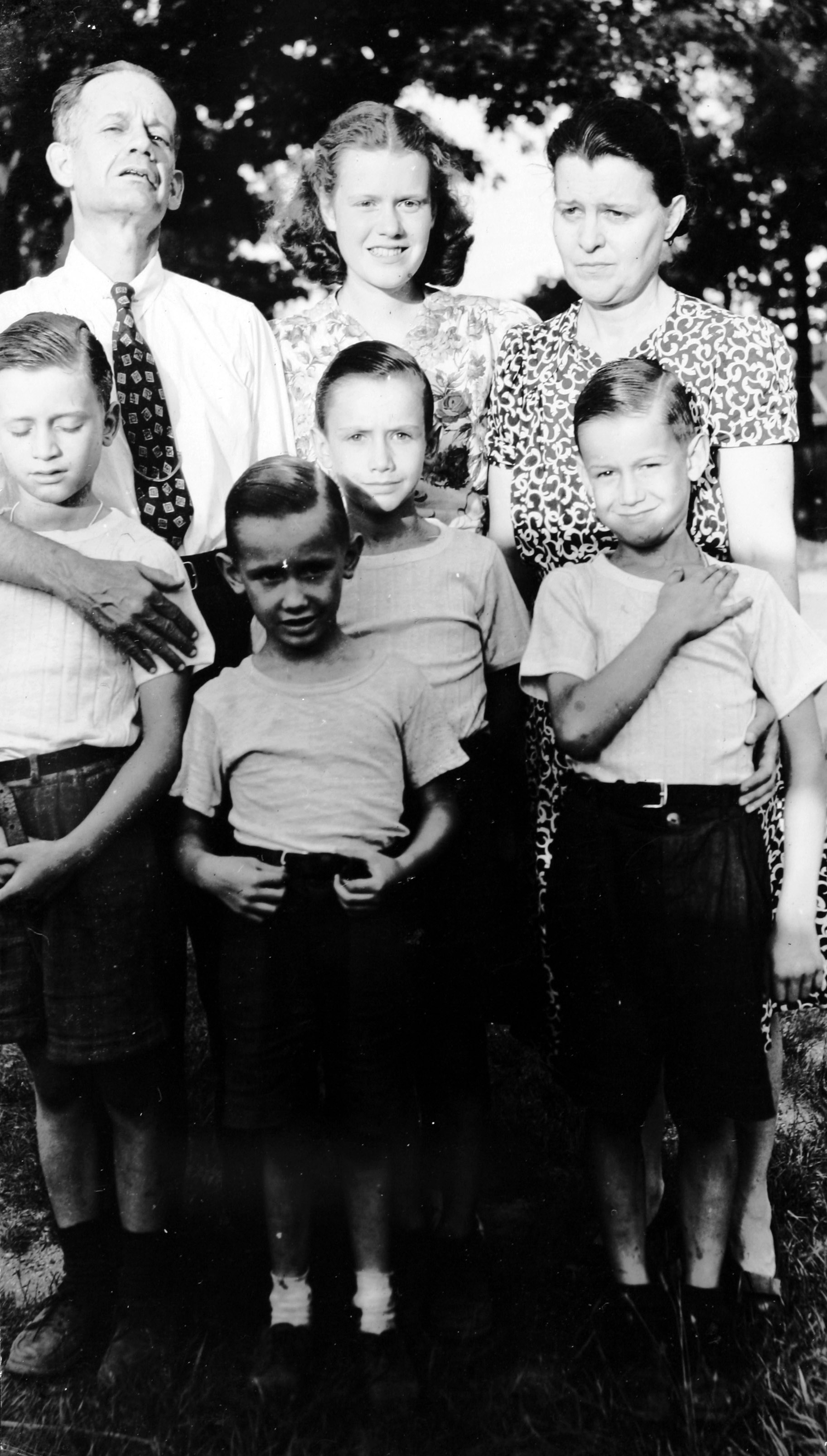
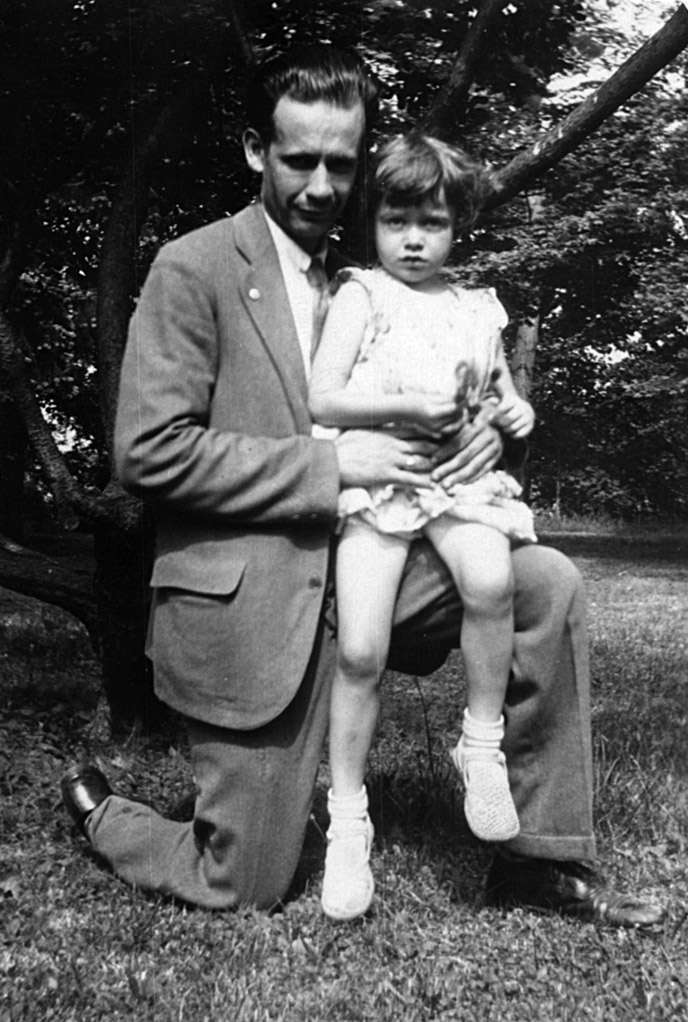
My Family History - Gilkes, my mother's father's family.

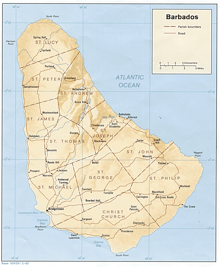
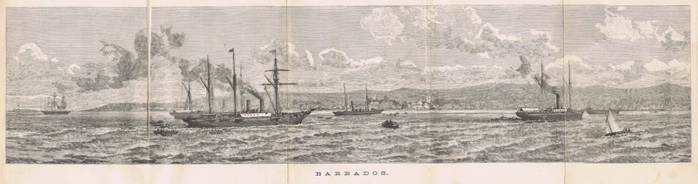
My grandfather, William Archibald Bruce Gilkes (sometimes called Archie) came to the US from Barbados, British West Indies in 1913. I hadn't thought much about Barbados until recently but I have begun to read about its history. I also read a wonderful memoir about Barbados called Sugar in the Blood. According to a letter sent to my uncle Barry in the 1970's from my grandfather's cousin, Archie left Barbados "a very young age, probably 15 and worked on a boat, traveling fairly widely for a few years. It seems coming back at times before settling in the USA." His mother (Emily Bruce Gill) died when he was a child of 10 or so. Archie had two younger brothers, Clarence Bruce and Charles Beresford (Remmie). Charles followed Archie to the US but died of pneumonia soon after arriving. A similar fate awaited Archie's uncle Norman Evans who died in 1909. Remmie decided to stay in Barbados and was, according to Archie's cousin, a chess champion of Barbados for a time. So far with the information provided by my uncle Barry and from web-based ancestry searches I have been able to trace the Gilkes family back to about 1800 and a planter named William Thomas Gilkes. When the Gilkes family or any other ancestors arrived in Barbados I have yet to uncover and may never fully uncover.
Many early records were lost to hurricanes or other disasters and records for the poor, for slaves and for indentured servants were not very good. I have only started to learn about the central role Barbados played in the development of plantation culture and the plantation system of brutal slavery which was in large part exported to the American South from the Caribbean and especially Barbados. It seems that the Gilkes family was not very wealthy nor a prominent family as there is no mention of them in the social registers of important plantation families that I could find. However, William Thomas Gilkes was a small planter or plantation owner and indeed owned 4 slaves in the 1830s when slavery was outlawed in Barbados (part of the British empire at the time). I guess this shouldn't be surprising but certainly didn't sit well with me. I had the hope that my ancestors were not involved with slavery and the reprehensible plantation culture. My German ancestors came to the US long before WWII and had nothing to do with Nazism or German National Socialism.
Oh well, you can't pick your ancestors - they were who they were and did what they did. Knowing a bit more about the history of Barbados I'm quite certain that many of my ancestors from that island were brought there against their wishes. In addition to African slaves, many Irish and Scottish indentured servants were sent to Barbados as virtual slaves over the years and there was much intermarriage both official and otherwise. I'm sure I have many distant relatives on Barbados. I would love to visit the island one day and further explore both my family history and the landscape that my ancestors knew.